An overview of heritage sites under the IndianOil Foundation

About IndianOil Foundation (IOF)

From ancient marvels to enduring customs, India’s heritage stands as a testament to its spirit, resilience, and unity in diversity. IndianOil Foundation (IOF) is committed to preserving this priceless legacy, fuelling initiatives that safeguard our history while inspiring future generations. A non-profit trust, registered under Section 12A of the Income Tax Act, is dedicated to providing tourist facilities at heritage sites with the primary objective of protecting, preserving, and promoting India’s national heritage. To further this mission, a Memorandum of Understanding was signed on March 30, 2001, between the Archaeological Survey of India (ASI), the National Culture Fund (NCF), the Indian Oil Foundation (IOF), and IndianOil Corporation (IOC).

India is home to 44 World Heritage Sites, of which 36 are cultural treasures. Among these, the IndianOil Foundation (IOF) has adopted seven sites and holds a significant presence in the top 10 ASI monuments with the highest visitor footfall, including the Sun Temple in Konark, Golkonda Fort, and Charminar in Hyderabad. The IndianOil Foundation (IOF) has contributed over ₹67 crore towards the conservation of these three iconic landmarks.

With the objective of protecting, preserving, and promoting this glorious past, IndianOil, on August 24, 2000, created a non-profit trust, the IndianOil Foundation (IOF), in collaboration with the Archaeological Survey of India (ASI) and the National Culture Fund of the Ministry of Culture, Government of India. Exclusively funded by IndianOil, the Foundation aims to adopt at least one heritage site in every State and Union Territory for the development of tourist infrastructure facilities.

Objectives of the Trust
  • a) Protect, preserve, and promote the national heritage in collaboration with ASI and NCF of the Government of India.
  • b) Promote awareness, knowledge, and involvement in our national heritage and culture in association with the government as well as non-government organizations of repute.
  • c) Undertake any other activity associated with, and in consonance with these objectives
Mission

To help enrich the quality of life of the community and preserve ecological balance and heritage through a strong environmental consciousness.
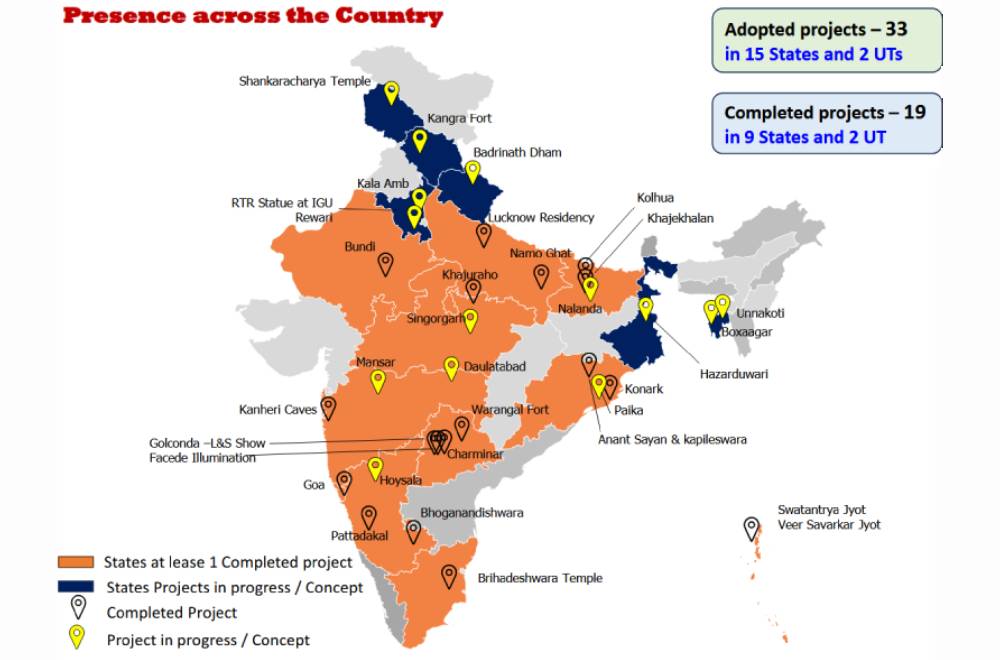
Projects across India

Historic Map Click to enlarge
Trustee Members – on ex-officio basis

  • Hon'ble Minister

    PNG – Trustee Chairman

  • Secretary

    Ministry of Petroleum & Natural Gas (MoP&NG)

  • Addl. Secretary

    Ministry of Petroleum & Natural Gas

  • Chairman

    IndianOil

  • Director General

    Archaeological Survey of India (ASI)

  • Director (HR)

    IndianOil – Trustee Secretary

  • Member Secretary

    NCF – Co-opted Member

list of projects in

progress

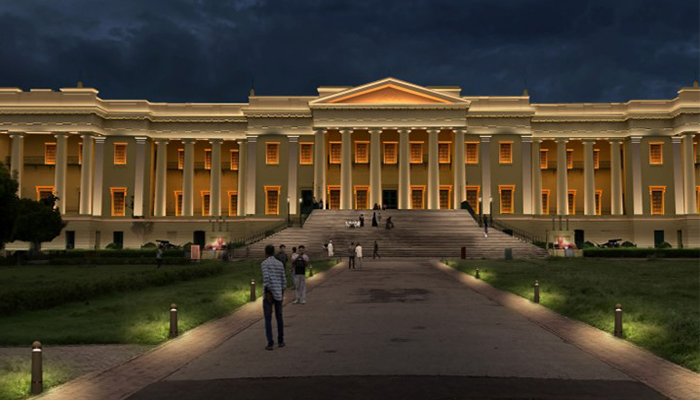
Façade Illumination of Hazarduwari Palace, West Bengal

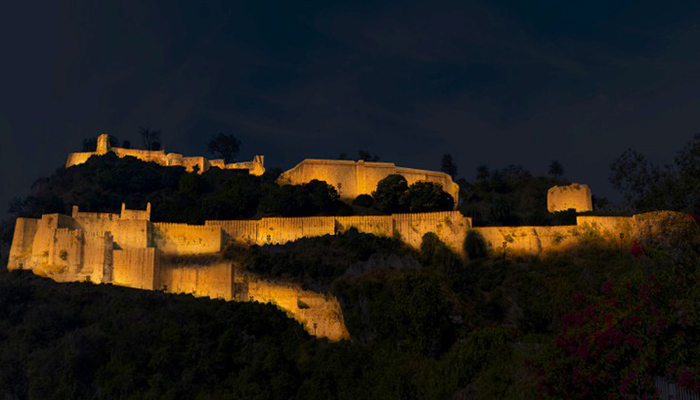
Façade Illumination of Kangra Fort, Himanchal Pradesh

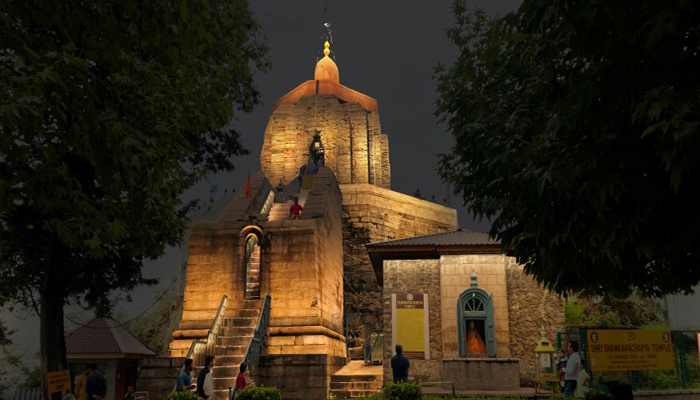
Projection Mapping based Façade Illumination of Shankaracharya Temple, Srinagar, J&K

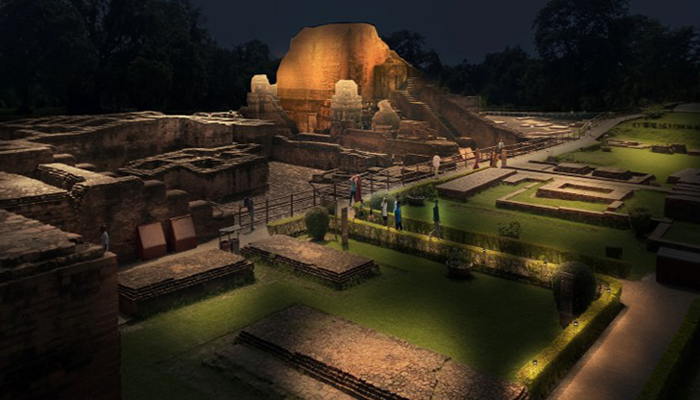
Façade Illumination of Nalanda Mahavihara, Bihar

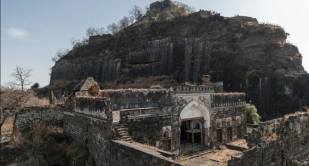
Multimedia show at Daulatabad Fort, Maharashtra

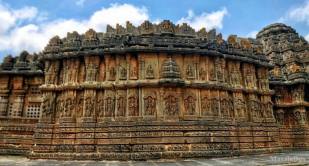
Façade Illumination of Hoysala Group of Temples, Karnataka

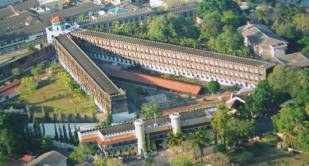
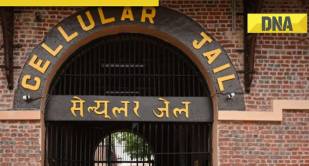
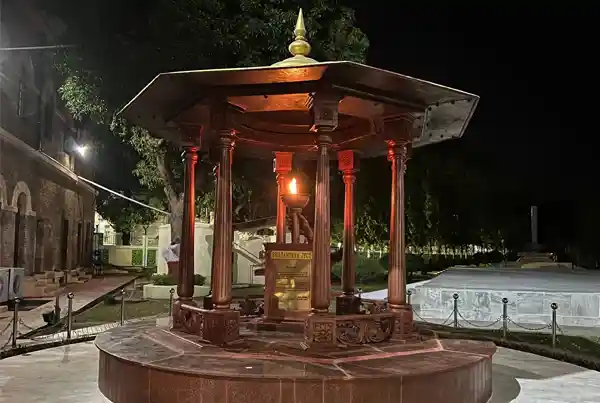
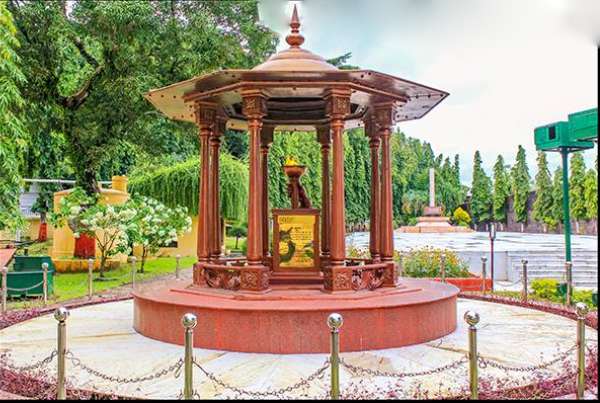
Swatantrya Jyot & Veer Savarkar Jyot at Cellular Jail, Port Blair

The Swatantrya Jyot and Veer Savarkar Jyot at the Cellular Jail in Port Blair burn eternally, fuelled by Indane and steadfastly supplied by IndianOil.

Konark Sun Temple
- Upgraded Tourist Facilities

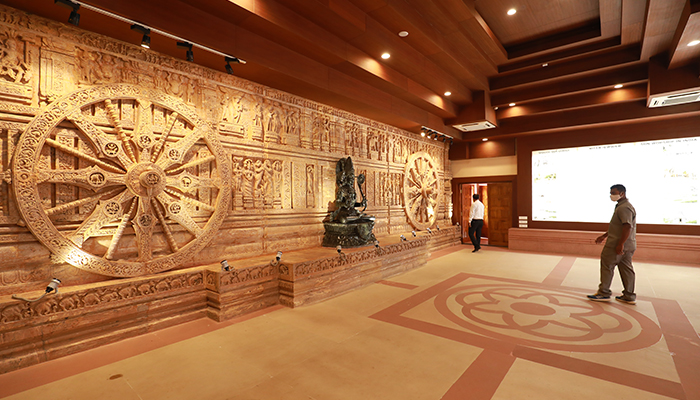
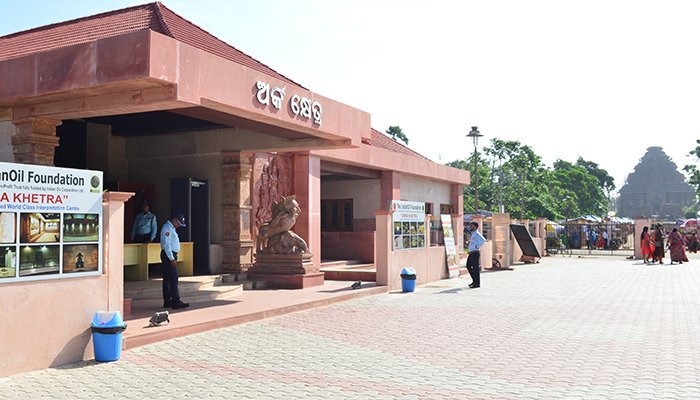
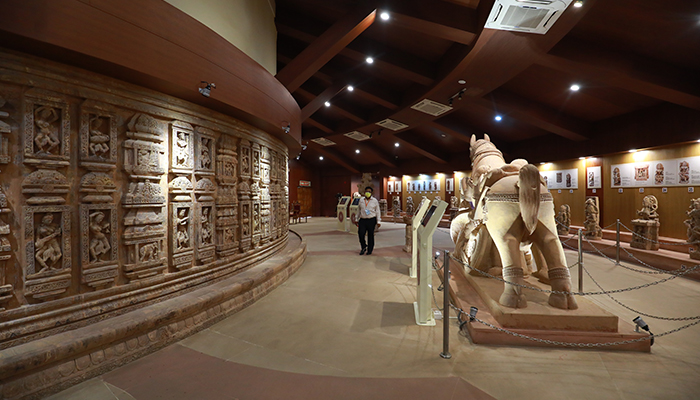
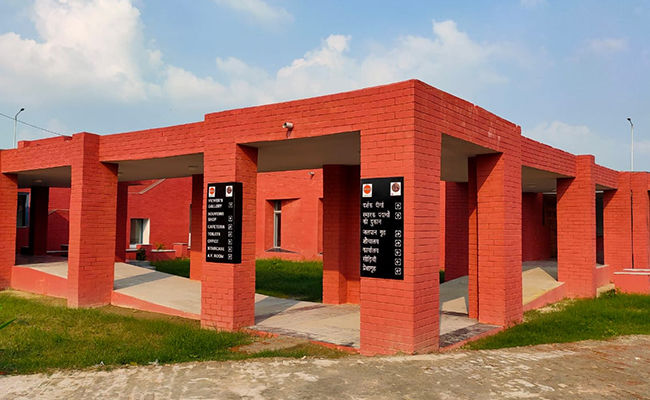
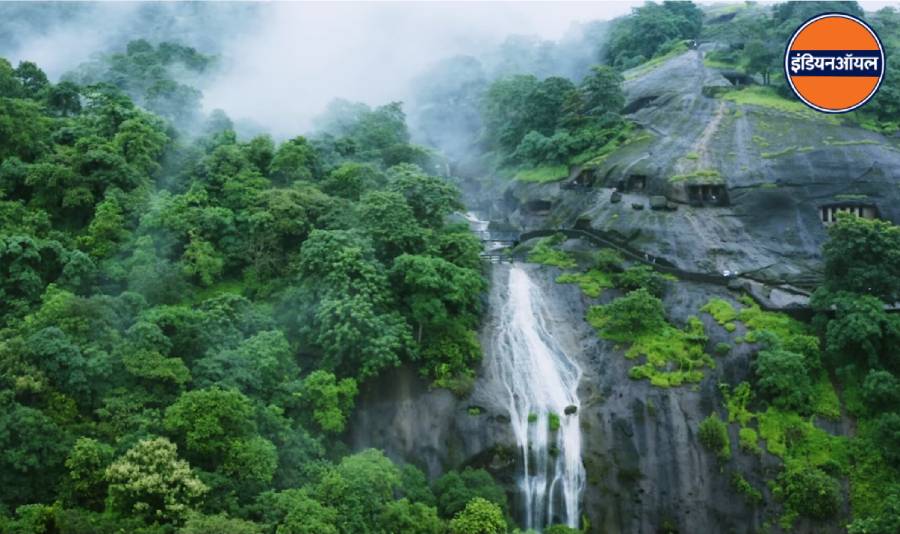
The 13th-century Konark Sun Temple, a UNESCO World Heritage Site stands as a magnificent testament to Kalinga architecture, blending artistic brilliance with a divine narrative. Adjacent to this architectural marvel, world-class tourist facilities developed by IOF have been enhancing the visitor experience since 2018. From “Arka Kshetra” – a state-of-the-art interpretation center featuring five immersive display galleries, a 65-seater auditorium, 14 interactive touch-screen kiosks to comfortable amenities like Cafeteria, Organized parking, hygienically maintained public conveniences etc, the facilities are designed to enrich visitor experience and provide engaging all-round insights into the history and significance of the Sun Temple.

About Sun Temple, Konark

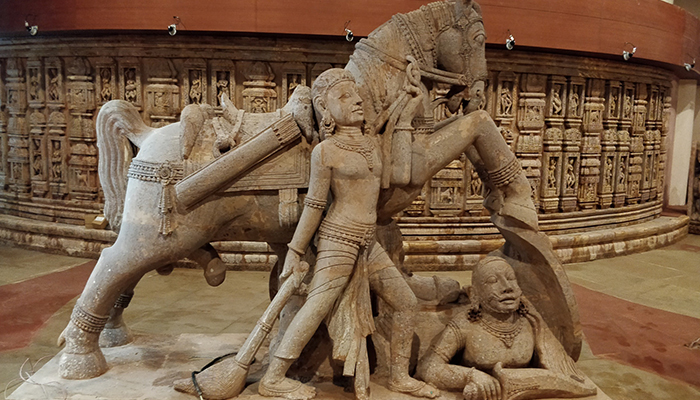
Konark Sun Templeis a 13th-centurySun Temple attributed to kingNarasingha deva Iof theEastern Ganga Dynastyabout 1250 CE. Built in the Kalinga style of Architecture the temple is built like a gigantic solar chariot with twelve pairs of exquisitely-ornamented wheels dragged by seven rearing horses.

In 1984, The Sun Temple Konark was declared a UNESCO world heritage site

ASI website - https://asi.nic.in/pages/WorldHeritageKonarakDetails

Details of Facilities provided by IOF-

The World Class Tourist Infrastructure facilities developed at Konark wereinaugurated on 01stApril 2018.The facilities were made operational from 03.07.18 and are being visited by National and International visitors regularly.

The facilities developed are as follows:-

  • A)“Arka Kshetra”–State-of-the Art Fully Air-Conditioned Interpretation Centre having:
    1. 5 Display Galleries along with a Welcome Lobby displaying:
      1. Medieval engineering concepts of the Sun Temple, Konark and various other Sun Temple of Odisha and India, with historical interpretation and archive literature
      2. Scale Model of the original Sun Temple, Konark and its current state
      3. Various sculpture models inspired by the wealth of architectural specimens in the Sun Temple complex
      4. Artifacts and handicrafts of Odisha
      5. Sculptures of the Sun Temple of Konark with individual detailing, recreated by famous sculptors
      6. A 15 minute animation movie depicting the mythology and history of The Sun Temple, Konark in a specially designed, air conditioned auditorium of 65 nos capacity
      7. Interactive Touch Screen Kiosks (14 nos) and Video Walls (2 nos)
  • B)Main Avenue:
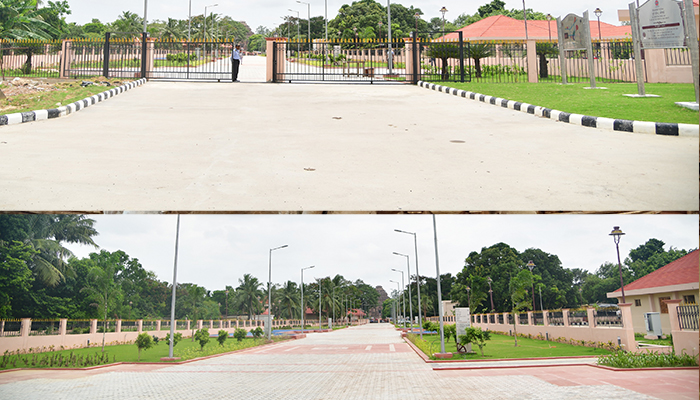
    • Wide pathway with landscaping, selfie points etcproviding a dedicated access from outer Ring Road tothe Sun Temple
  • C)Parking Facility:
    1. Car Parking Facility at Drop off Point for about 75 cars
    2. Bus Parking at Main Parking facility for about 50 Buses with Drivers’ Facility Block
    3. 2-3 Wheeler parking facility for approx. 120 nos
  • D)Public Conveniences :
    • at Interpretation Centre / Drop Off Point / Main Parking
  • E)Cafeteria operated by renowned Hotel Group,Baby Care Centre, Landscapingetc.

As an initiative towards promotingawareness, knowledge and involvementof young generation towardsour National Heritage and Culture, visit to the Interpretation Centre for school and college children are organized at regular intervals. IOF is operating and maintaining the facilities from 2018 at highest level of standards in the industry.

Khajuraho Group of Temples, Madhya Pradesh

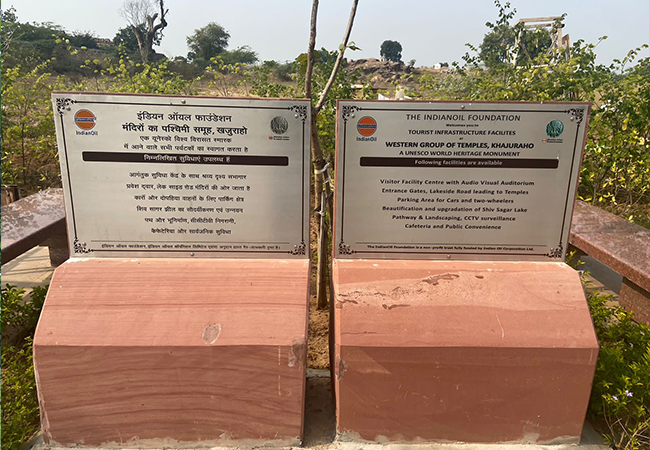
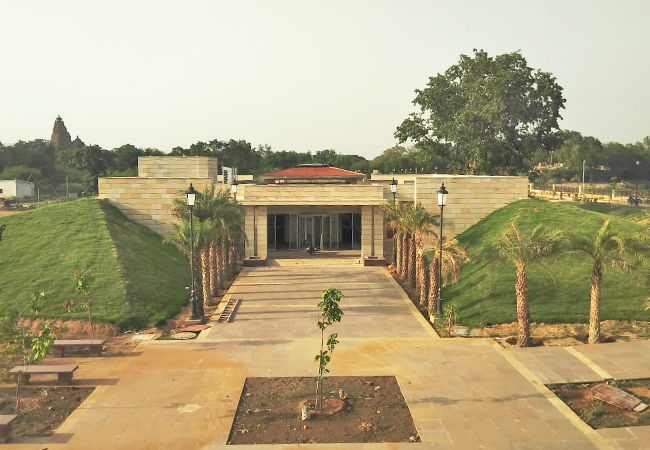
The UNESCO World Heritage Site of Khajuraho group of temples testifies to the culmination of northern Indian temple art and architecture of the Chandela dynasty. Distributed over an area of 6 square km, the 23 temples form the Western, Eastern, and Southern clusters of the Khajuraho Group of Monuments. read more

Kanheri Caves, Mumbai, Maharashtra

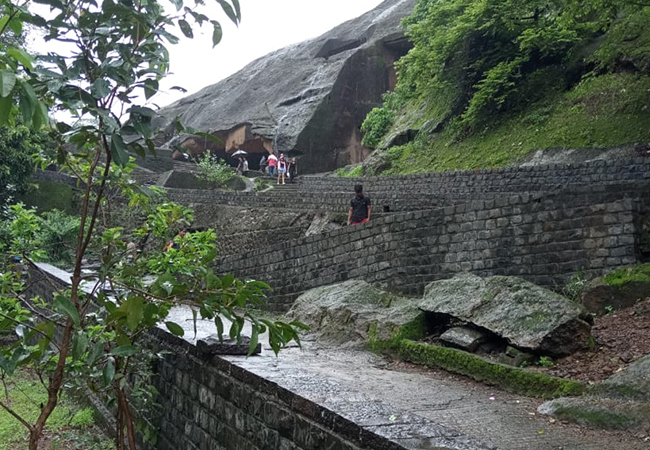
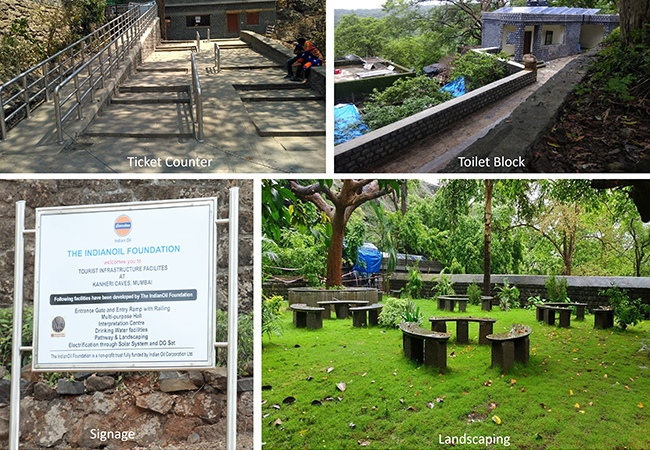
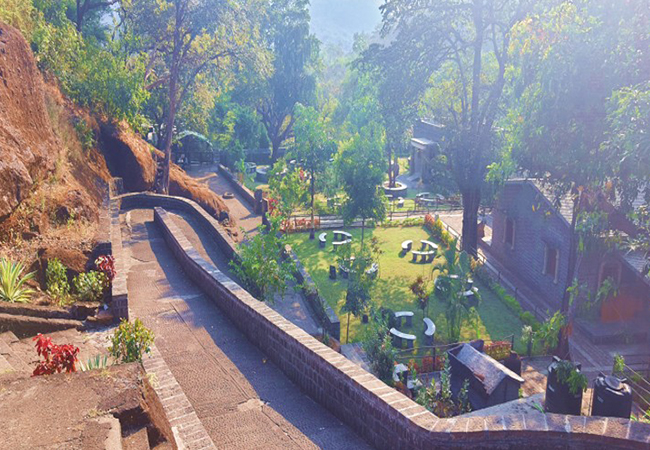
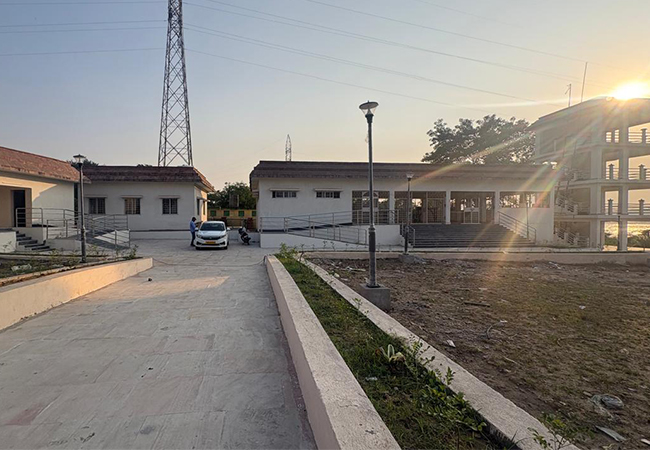
Located in the Sanjay Gandhi National Park, Borivali, the Kanheri Caves in Mumbai comprise a group of 109 rock-cut caves featuring Buddhist sculptures, carvings, and inscriptions dating from the 1st to the 10th century. Upgraded facilities include an Interpretation Centre, multipurpose hall, cafeteria, entrance gate, ramp for the differently abled, ticket counter, drinking water facilities, a 20 KVA solar power system, and a toilet block. These amenities were inaugurated by the Hon’ble Union Minister of Culture & Tourism on May 16, 2022.

The Ashokan Pillar, Kolhua (Vaishali), Bihar

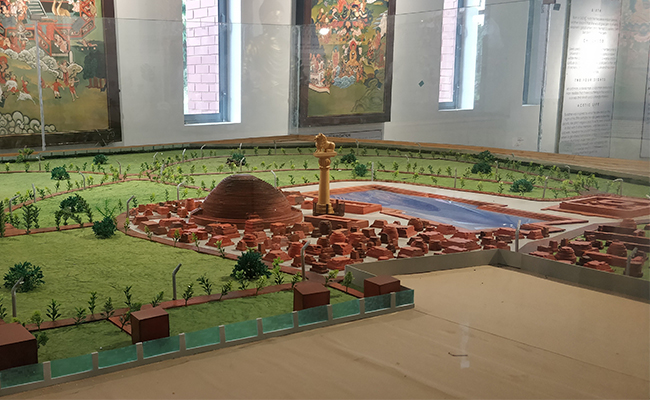
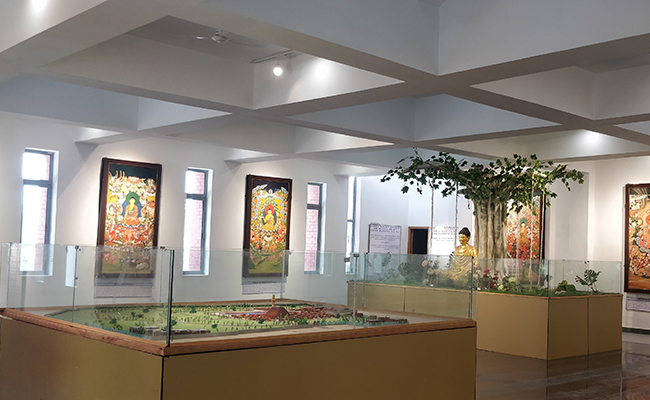
At Kolhua in Vaishali, stands the Ashokan Pillar - a monolithic sandstone column crowned with a majestic lion capital, among the earliest six such pillars erected by Emperor Ashoka in the 3rd century. Revered as the site where Buddha is believed to have delivered his last sermon, it now features enhanced visitor amenities, including an Interpretation Centre with an audio-visual auditorium, display galleries, a cafeteria, a toilet block, landscaped pathways, and sustainable power solutions via solar energy and a DG set.

Illumination Project at
Brihadeshwara Temple, Thanjavur

1003 and 1010 AD

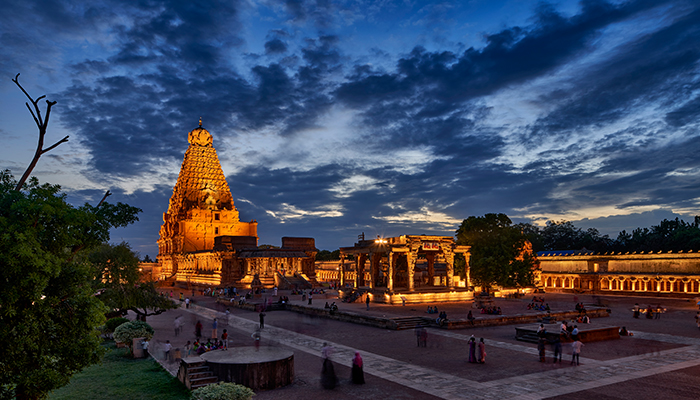
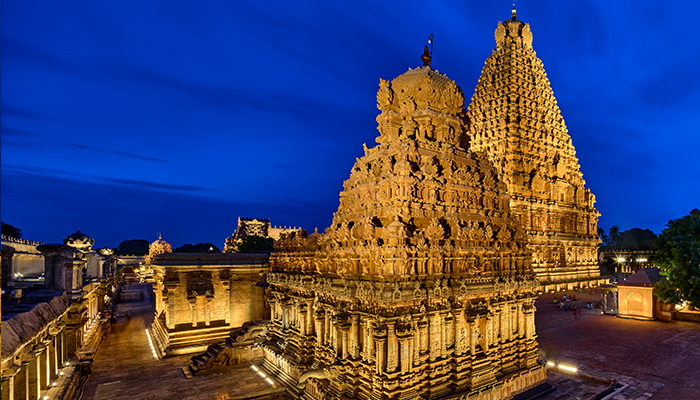
The Brihadeshwara Temple, also called the Big Temple is dedicated to Lord Shiva located at Thanjavur. It is one of the largest South Indian temples and an exemplary example of a fully realized Tamil architecture. Built by Tamil king Raja Raja Chola I between 1003 and 1010 AD, the temple is a part of the UNESCO World Heritage Site known as the "Great Living Chola Temples"

The IndianOil Foundation provided the Facade Illumination of the entire Temple Complex and associated structures.

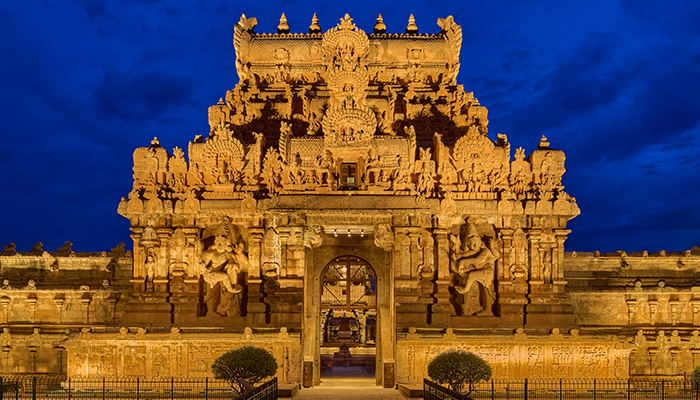
The illumination of the main temple having a height of about 217 ft, 3 Gates, associated structures and entire temple campus having an area of 44 acres has been illuminated.

Energy efficient LED lights have been used in the project. Further, the lights are placed in such a manner that the architectural elements of the temple are highlighted during the night and during day hours, the lighting fixtures do not disturb the beauty of this architectural marvel.


Bhoganandishwara Temple, Karnataka

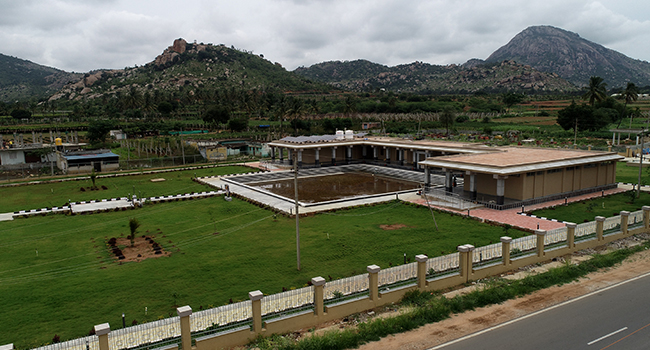
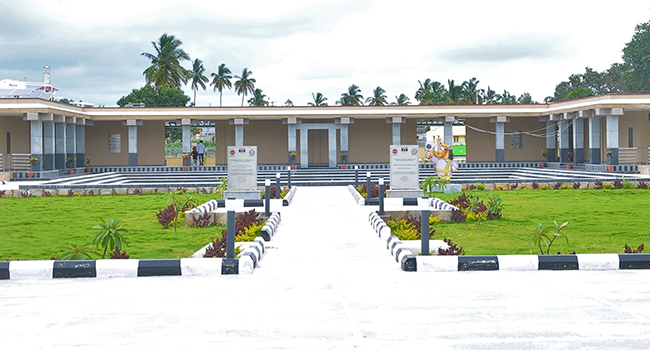
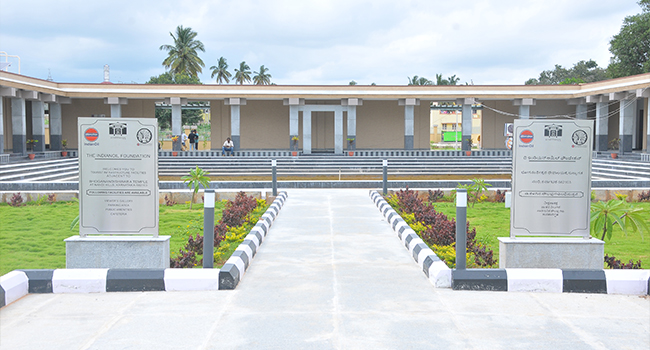
The Bhoganandishwara Temple, a 9th–10th century architectural gem dedicated to Lord Shiva, stands as a testament to timeless devotion and heritage. To enhance the visitor experience, facilities such as a gallery, cafeteria, toilet block, drinking water, parking, and solar power have been provided, along with extensive external development, including pathways, landscaping, and other improvements, to preserve and celebrate its historic charm.

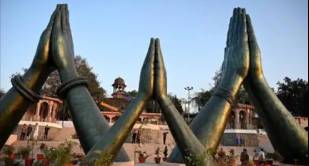
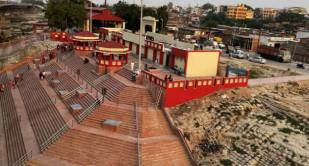
Namo Ghat, Varanasi

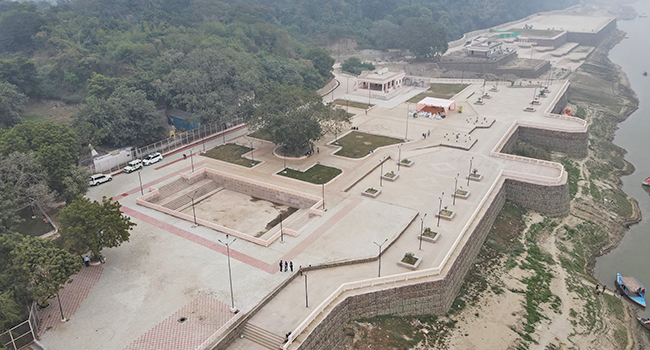
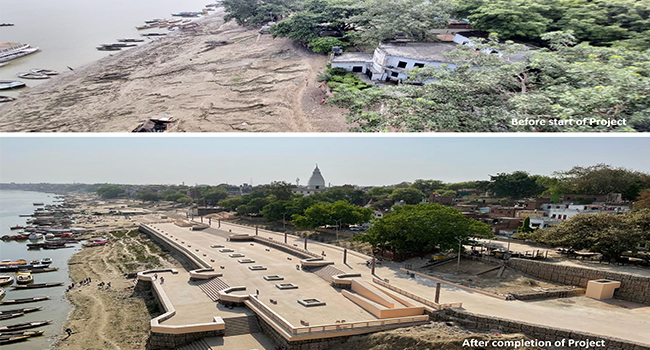
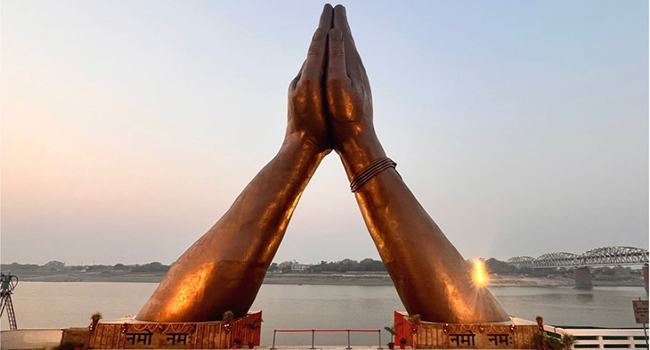
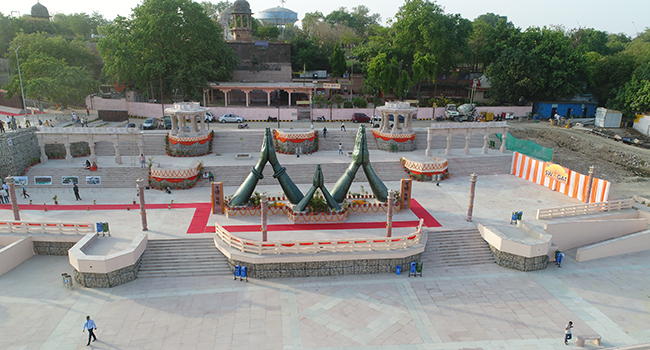
Namo Ghat in Varanasi, developed along a 1.4 km stretch in two phases, is a vibrant confluence of heritage, spirituality, and modern amenities. Phase 1 covers a 500 m stretch featuring an approach road, multi-level promenades, an open-air theatre, a stepped seating plaza, three jetties with differently-abled access, a food court, public conveniences, viewing decks, sit-outs, and a striking cluster of three Namaste statues. Phase 2 spans 900 m and includes a kund, wide promenades, multipurpose spaces for socio-cultural events (with helicopter landing facilities), a dedicated ghat for water sports, a 6 m-wide road, a cafeteria, an admin building, an RO water plant, and public conveniences. It also houses a children’s play area, gazebos, landscaped viewing decks, masonry fencing, and the centrepiece - a magnificent 75 ft bronze statue.

Khajekhalan Ghat - Patna

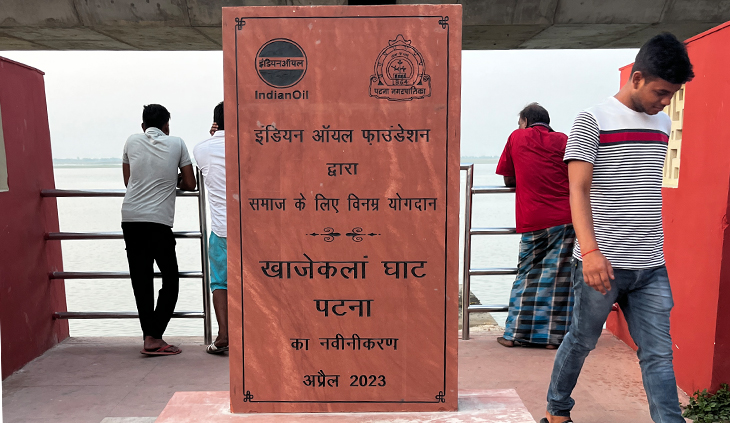
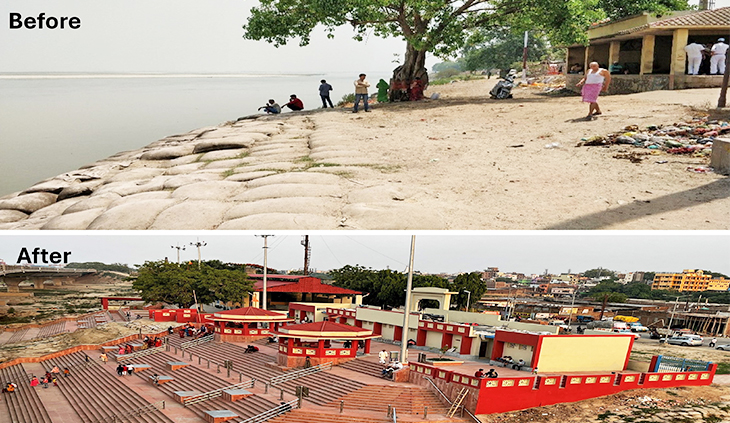
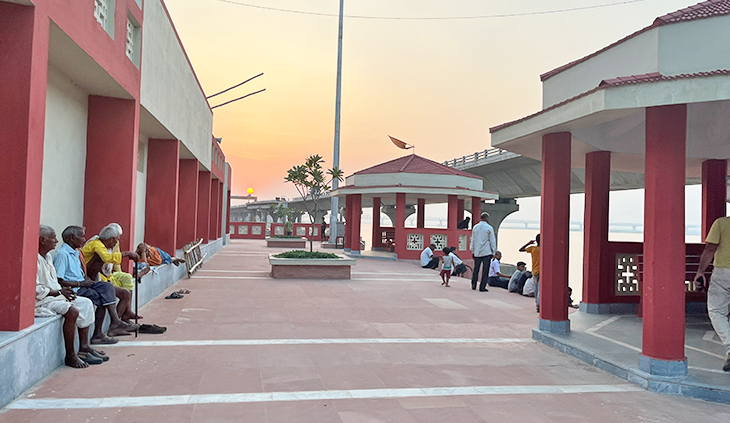
Completed in March 2023, the Khajekhalan Ghat in Patna has been revitalised with thoughtfully designed facilities, including a cremation shed, public conveniences, changing rooms, and landscaped surroundings, offering a cleaner, organised, and dignified space for the community.

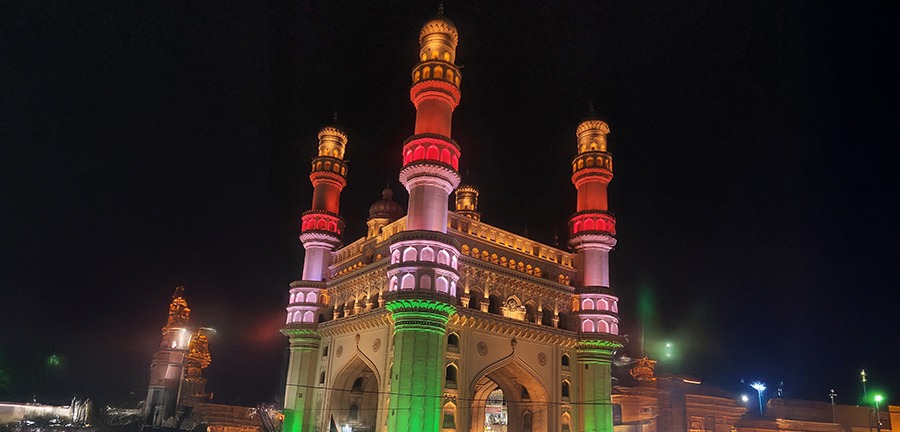
The Charminar , Hyderabad

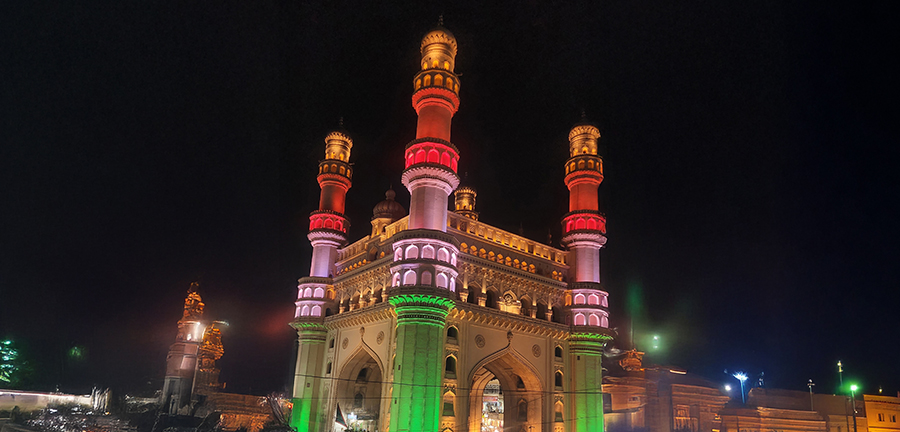
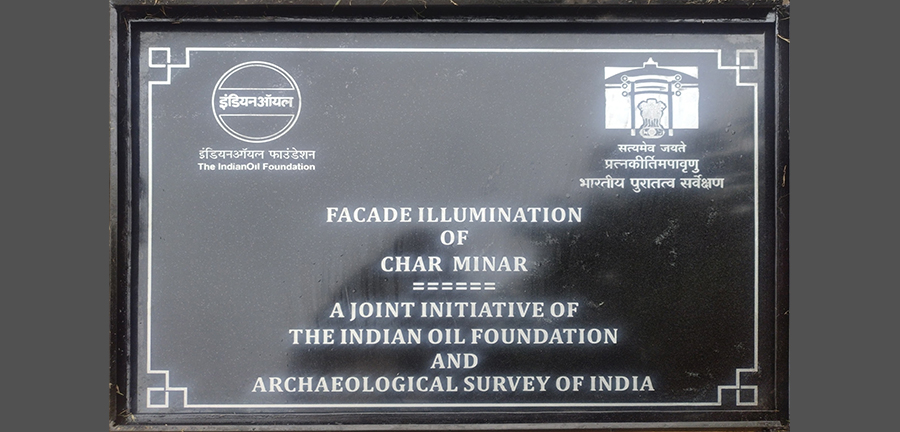
Constructed in 1591, Hyderabad’s iconic Charminar received a stunning facelift with facade illumination, inaugurated on August 05, 2023, by the Hon’ble Union Minister of Culture & Tourism, enhancing the grandeur of this landmark monument.

Golconda Fort, Hyderabad

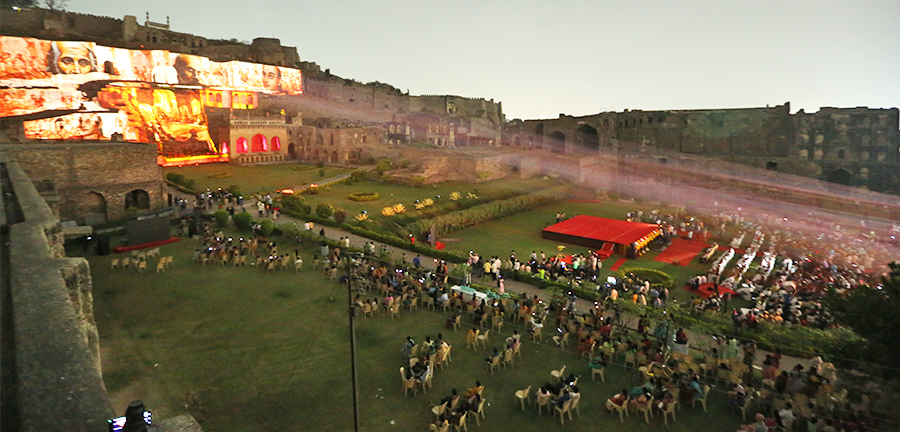
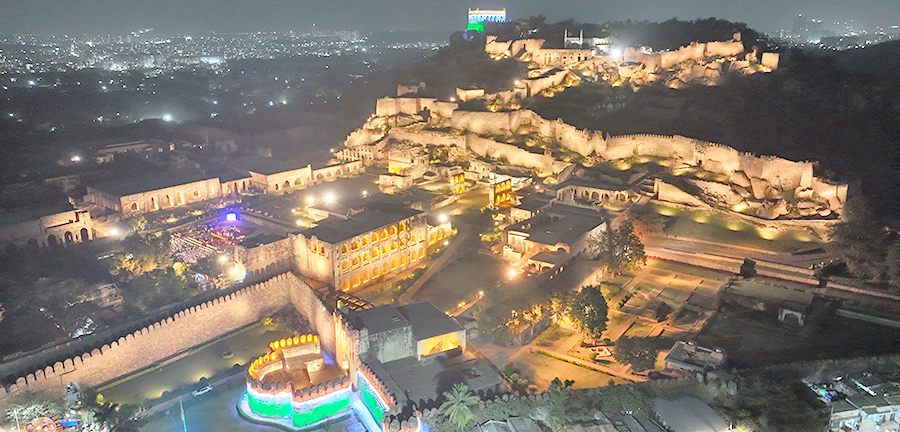
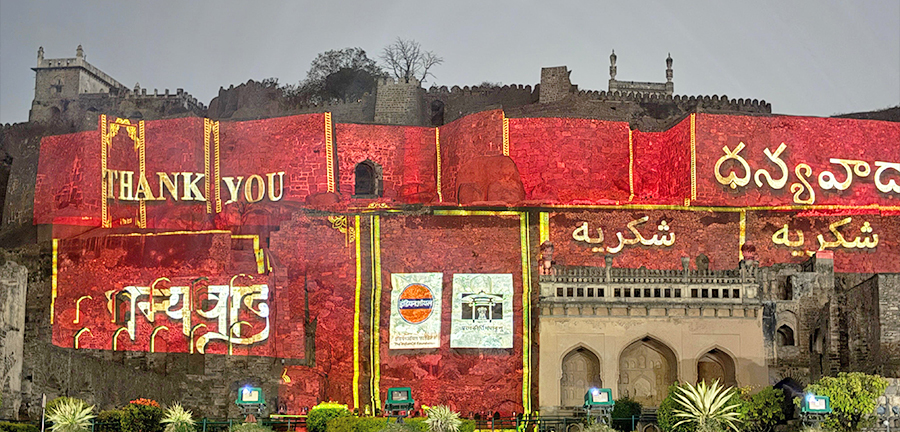
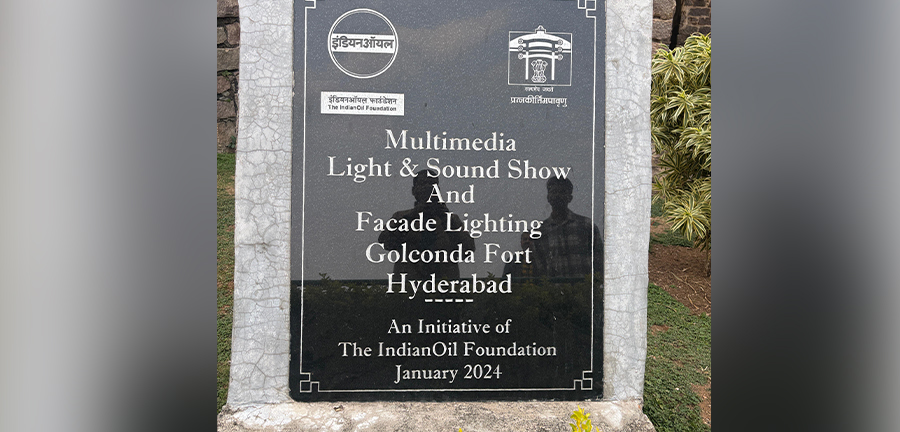
Built in the 11th century by the Kakatiya rulers, this magnificent fort attracts 2,000–3,000 visitors on weekdays and up to 6,000 on weekends. The IndianOil Foundation (IOF) has enhanced its splendour through architectural façade illumination in warm white, with the fort entry and Baradari Hall adorned in a striking tricolour pattern. Around 1,400 energy-efficient LED luminaires light up a vast 1 lakh sq. m. façade area, powered in part by a 25 kW solar system. Adding to the experience is a captivating 30-minute projection mapping-based light and sound show narrating the fort’s rich history and significance.

Warangal Fort, Telangana

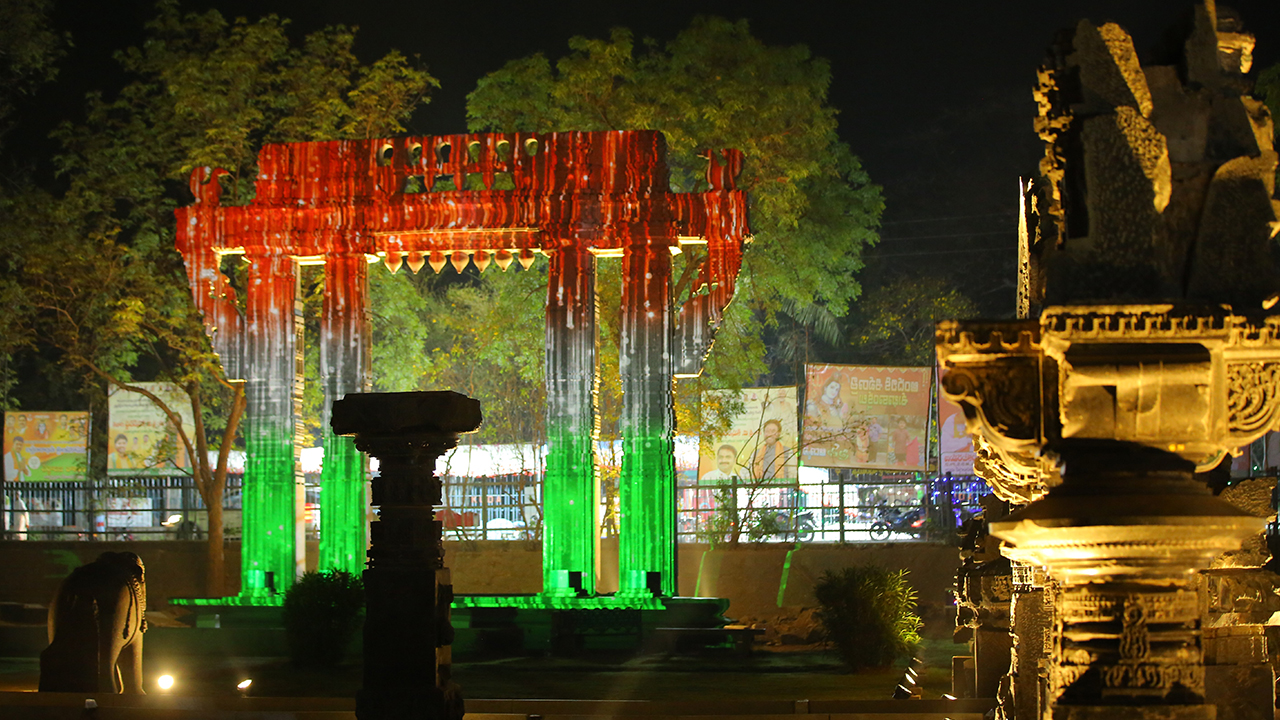
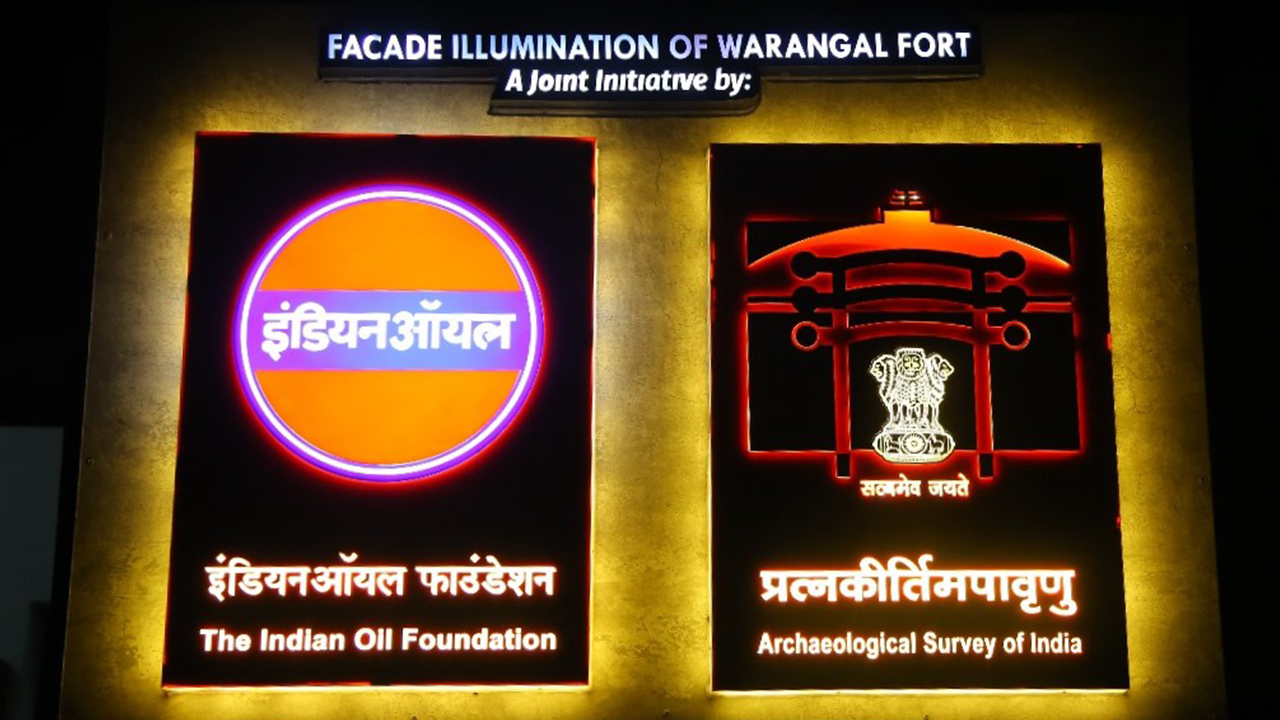
Dating back to the 12th century, the majestic Warangal Fort of the Kakatiya Dynasty stands as a proud symbol of Telangana, with its iconic Kakatiyan arch featured on the state emblem. Its grandeur now shines brighter with a newly inaugurated façade illumination, unveiled by the Hon’ble Union Minister of Culture & Tourism on March 07, 2024. Powered by a 15-KW solar system and enhanced with five high-performance projectors, the fort’s timeless legacy is showcased in a captivating new light.

“ the majestic Warangal Fort”

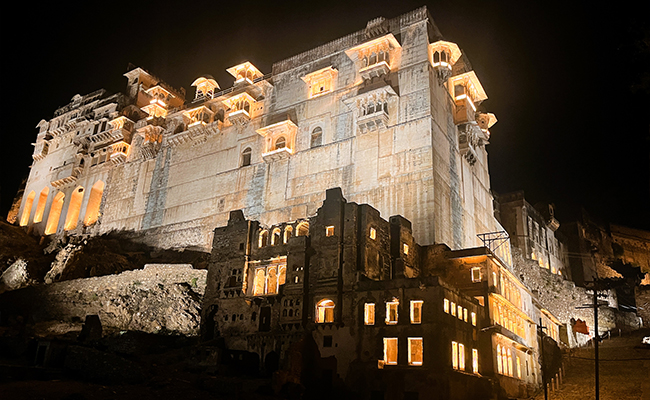
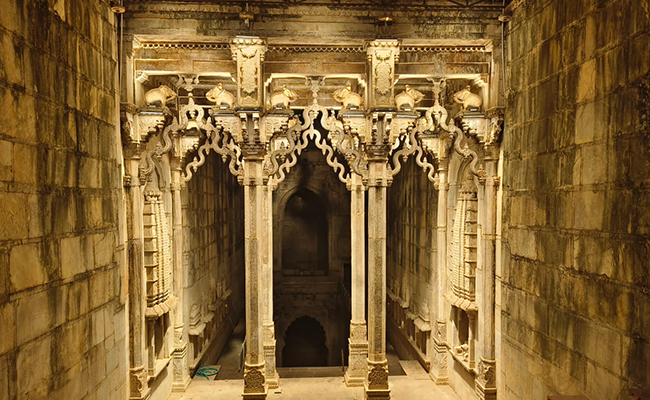
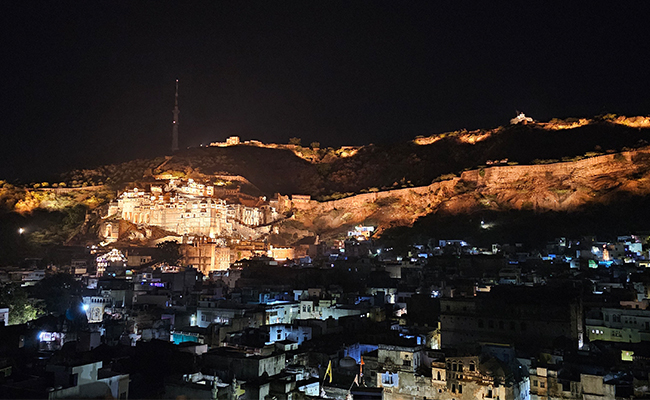
Taragarh Fort, Raniji ki Baori & Gate at Bundi, Rajasthan

The historic splendour of Taragarh Fort, Raniji ki Baori, and the grand gateways of Bundi, Rajasthan, now gleam with stunning illumination. Phase 1 of the project was inaugurated by Mr Om Birla, Hon’ble Speaker of the Lok Sabha, on October 05, 2023, and the project was fully lit up in all its glory on March 10, 2024.

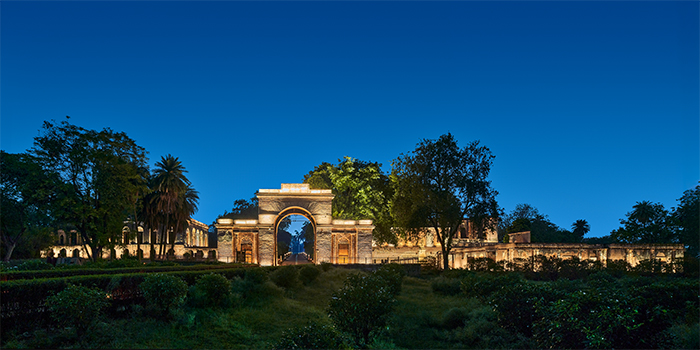
Lucknow Residency

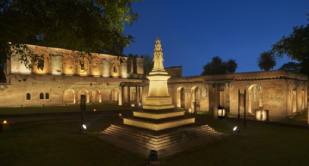
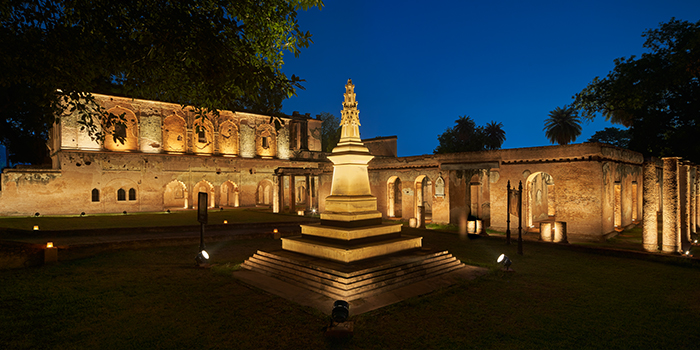
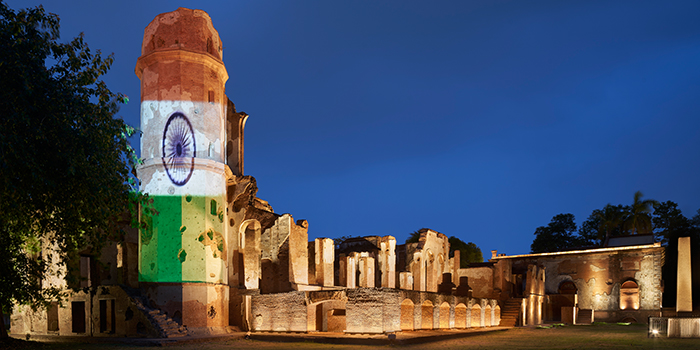
These 17th-century buildings, once the residence of the British Resident General, stand as silent witnesses to history, having endured a siege by freedom fighters from July to November 1857 during the Indian Rebellion. Today, their grandeur is enhanced with around 1,400 luminaires, a high-powered projector, and a 30 KW solar installation, blending heritage with sustainable brilliance.

Anant Sayan Vishnu & Kapileshwar Mahadev Temple, Dhenkanal, Odisha

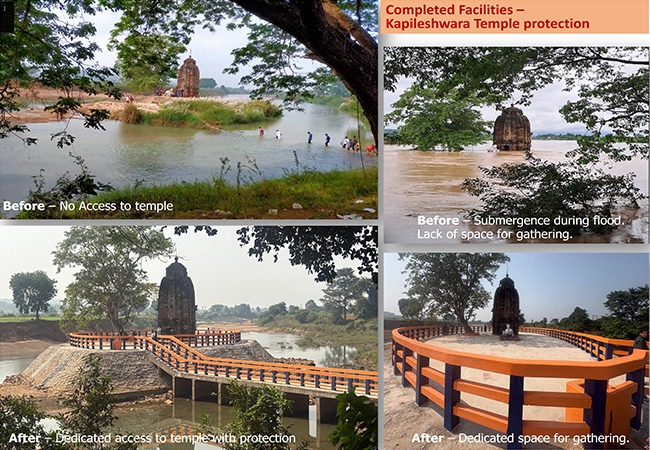
Anant Sayan is a large Open Air horizontal rock relief of the Hindu god Vishnu, carved during the early 9th century. Kapileshwara temple is a Hindu temple dedicated to Lord Shiva located in the Hathuari village of Dhenkanal District.Both the monuments are under the protection of Archaeological Survey of India (ASI).
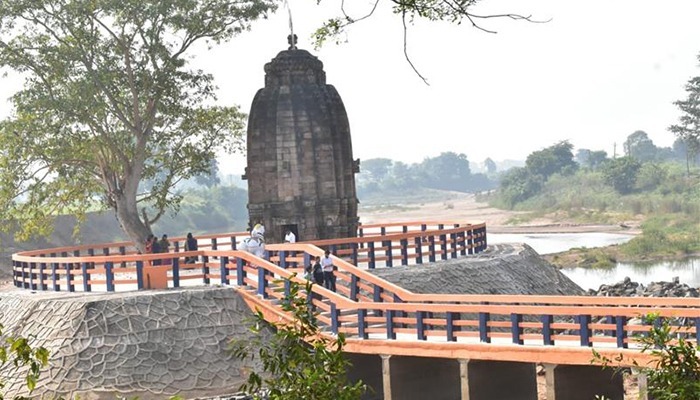
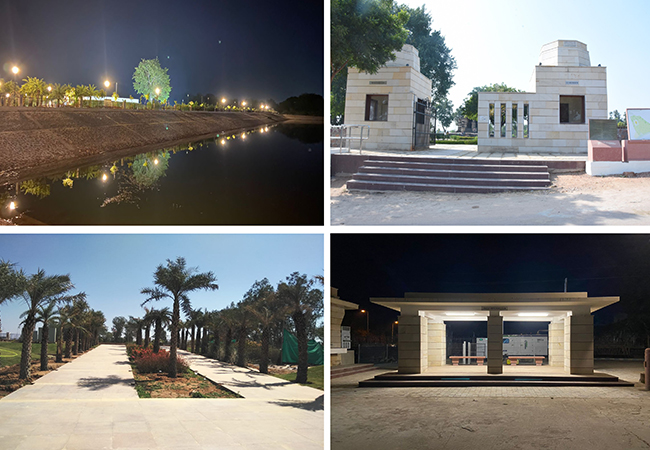
As part of the protection and promotion of heritage, IOF has provided enhanced tourist facilities including a formal entrance gate, well-defined pathways, a multipurpose hall, temple protection measureat Kapileswara Temple, essential public conveniencesetcsignificantly improving accessibility and visitor experience at these monuments

Pattadakal Group of Temples,
Karnataka

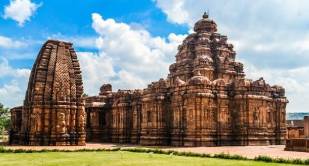
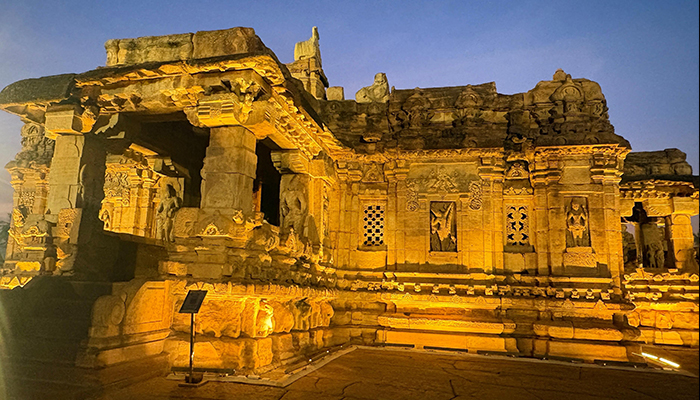
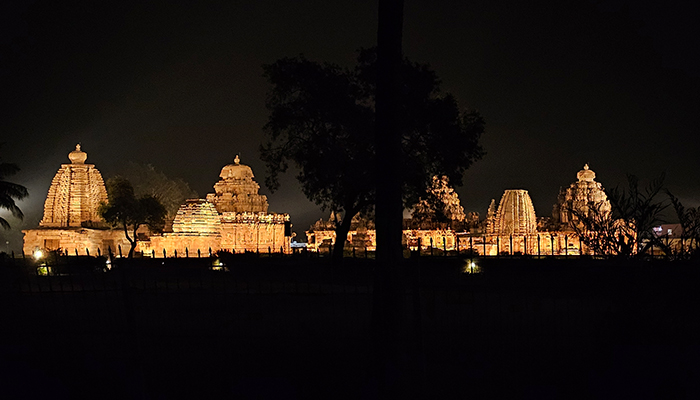
Pattadakal, a remarkable complex of temples from the 7th and 8th centuries built under the Chalukya Dynasty, stands as one of India’s most important cultural and architectural treasures. Inscribed as a UNESCO World Heritage Site, Pattadakal has been celebrated by UNESCO as “a harmonious blend of architectural forms from northern and southern India” and as an outstanding example of eclectic art at its peak.IOF has enhanced the visual experience of this historic monument by providing dramatic façade illumination, bringing these ancient stone structures to life after dark and offering visitors a stunning way to appreciate their artistry

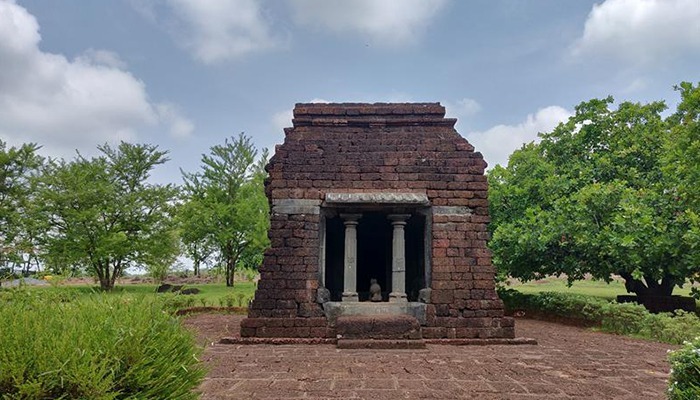
Tourist facilities at monuments at Goa

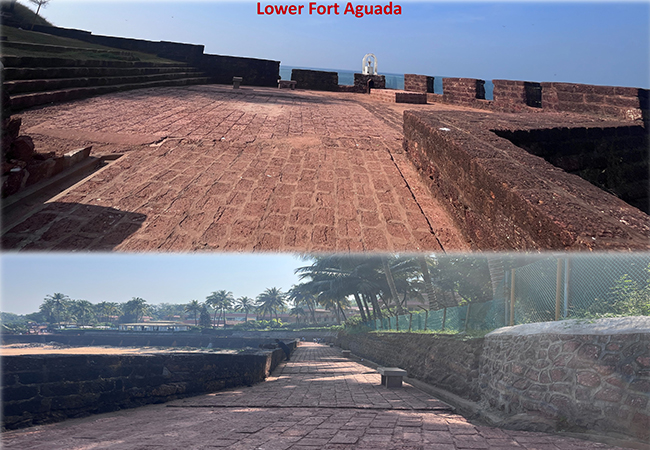
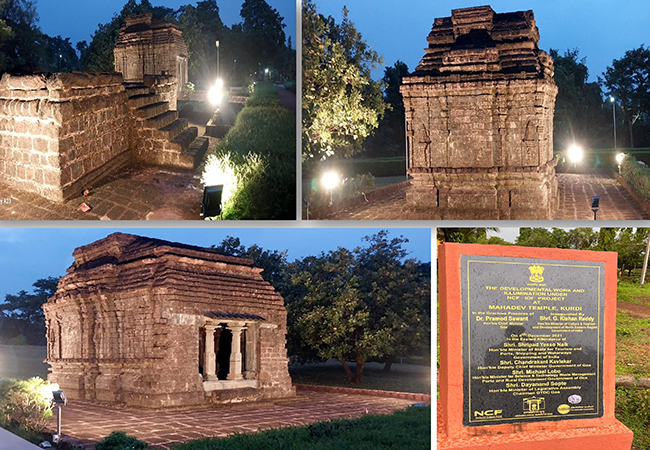
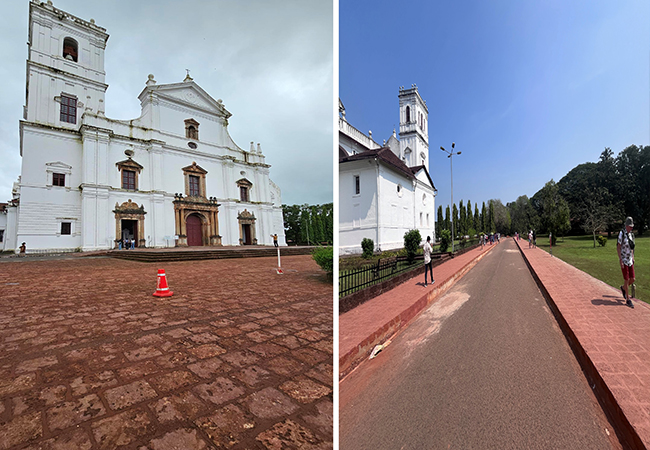
At the historic Se Cathedral Church Church complex —part of the UNESCO World Heritage Site Churches and Convents of Goa—as well as at Aguada Fort and the ancient Mahadev Temple, Kurdi, IOFhas supported key visitor-oriented enhancements under the Archaeological Survey of India (Goa Circle).IOF have developed pathways at Se Cathedral Church complex and Lower Aguada Fort to improve accessibility and circulation within these historic precincts. In addition, façade Illumination to Mahadev temple at Kurdi was provided